

How to Unclog Stove Nozzles and Strengthen Your Flame — A Simple Homemade Solution
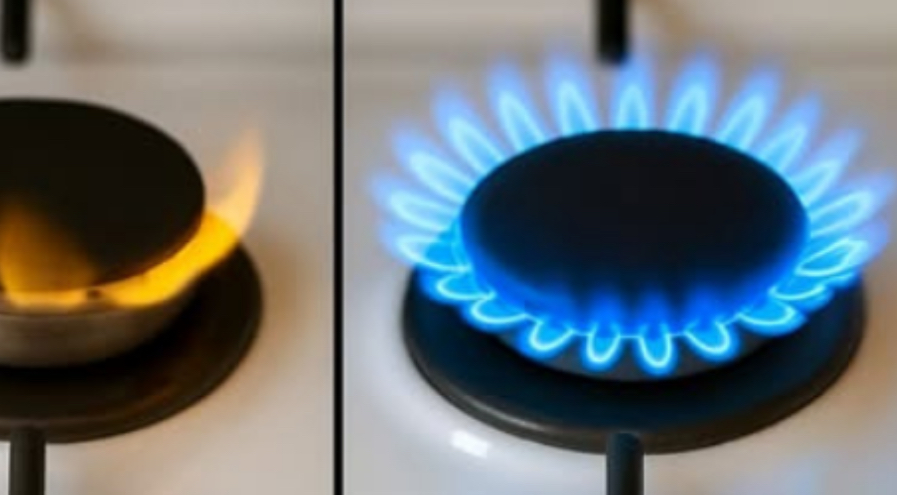
Is your gas stove producing a weak, flickering, or yellow flame instead of a strong, steady blue one? Is it taking forever to boil water or cook meals? Before calling a repair technician or thinking about replacing your stove, the issue might be something easy to fix: clogged stove nozzles.
Why Stove Nozzles Get Clogged
Over time, grease, food particles, dust, and residue accumulate inside the small gas ports, restricting the flow of gas. This leads to inefficient cooking, uneven heat distribution, increased gas consumption, and even safety hazards.
Why a Weak Flame Matters
A healthy gas flame is mostly blue with just a hint of yellow at the tips. A yellow, weak, or flickering flame means:
Gas isn’t mixing properly with air
The nozzle is partially blocked
Incomplete combustion, which can produce dangerous carbon monoxide
Cleaning the nozzles isn’t just about better cooking—it’s also an important safety measure.
Easy Homemade Method to Clean Stove Nozzles
You’ll need:
Liquid aluminum cleaner or a mild metal-safe degreaser
Wooden stick, bamboo skewer, or toothpick (avoid metal tools)
Soft cloth or toilet paper
Small brush (like an old toothbrush, optional)
Safety gloves (recommended)
Important: Never use metal wires or pins as they can damage the nozzle and affect gas flow.
Step-by-Step Guide
Turn Off and Cool Down
Switch off your stove and disconnect the gas supply if possible. Allow burners to cool completely.
Remove Burner Grates and Caps
Lift off the metal grates, burner caps, and nozzles (the small metal parts under the grates). Place them on a clean surface.
Apply Cleaner
Place the nozzles on a paper towel and pour liquid aluminum cleaner over them, making sure the gas ports are covered. Let them soak for 5–10 minutes to dissolve grease and buildup.
No aluminum cleaner? Mix equal parts white vinegar and water for a safe alternative.
Gently Clear the Gas Ports
Use a wooden stick or toothpick to carefully clean inside each tiny gas port. Be gentle to avoid damaging the nozzle.
Avoid metal tools!
Wipe and Dry
Use a soft cloth or toilet paper to remove loosened debris and cleaner. For tough spots, gently brush with a soft toothbrush dipped in cleaner. Let the parts air dry completely.
Reassemble and Test
Put the nozzles and caps back in place, reconnect the gas, and light the stove. The flame should now be strong, steady, and blue without yellow tips.
Tips for Maintaining Your Stove
Clean nozzles every 2–3 months, especially if you cook daily
Wipe up spills immediately to prevent buildup
Avoid abrasive cleaners that can damage metal parts
Regularly inspect your stove for any signs of wear or blockage
Ensure good kitchen ventilation to reduce grease accumulation and promote proper combustion
When to Seek Professional Help
If your flame remains weak or uneven after cleaning, the nozzle might be damaged, or there could be issues with the gas line or regulator. In these cases, contact a professional to ensure your safety.
Final Thoughts
Fixing clogged stove nozzles is quick, easy, and cost-effective. With a few household items and a little effort, you can restore your stove’s flame strength, save on gas, and enjoy faster, safer cooking.
Remember: A clean nozzle means a strong flame—and better meals.