

Why Do Hives Appear on the Skin?
Surprising Causes You Might Not Know
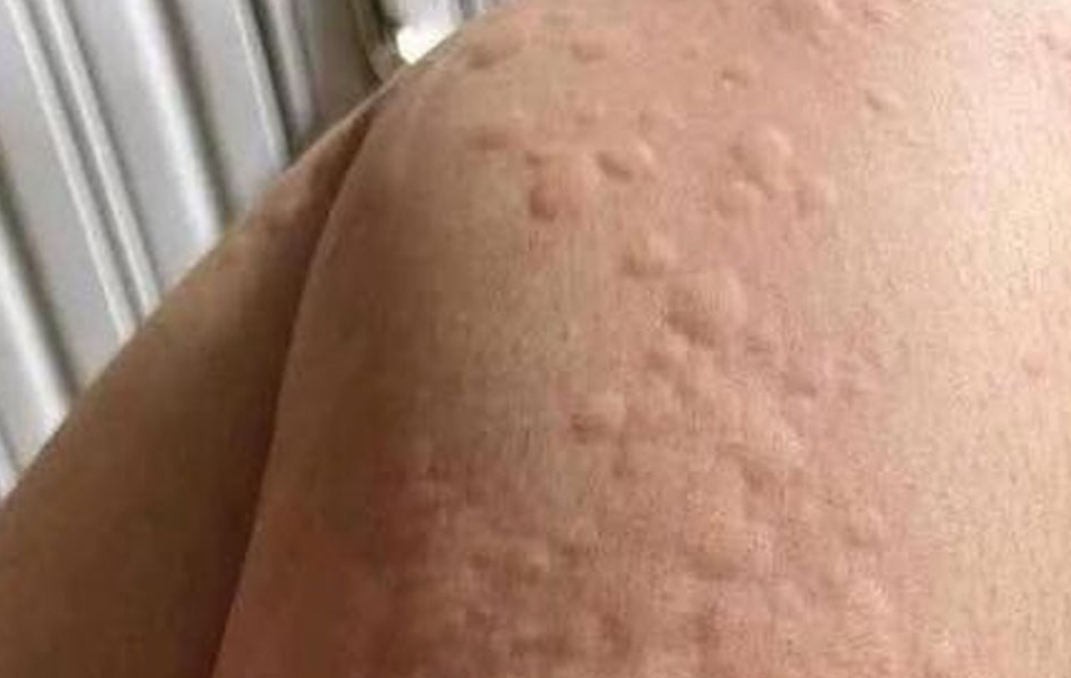
Hives, medically known as urticaria, are a skin condition that causes itchy, raised welts to suddenly appear on the body. These welts, often red or skin-colored, can vary in size, shape, and location — and while they usually vanish within hours, they can be incredibly uncomfortable and sometimes return frequently.
But what really causes these mysterious outbreaks? The answer isn’t always obvious.
🔍 What Are Hives?
Hives are part of your body’s immune response. They occur when mast cells in your skin release histamine and other chemicals into your bloodstream. This causes tiny blood vessels (capillaries) to leak fluid, creating swollen, itchy patches on the skin.
Typical symptoms include:
Red or pale welts, often with a defined border
Intense itching (pruritus)
Temporary appearance — most welts fade within 24 hours without leaving a trace
Reappearance in new locations as others disappear
🧊 When Hives Go Deeper: Angioedema
In some cases, hives are accompanied by angioedema, which is swelling in the deeper layers of the skin. This often affects the eyelids, lips, hands, feet, or even genitals. If swelling occurs in the throat or tongue, seek immediate medical attention, as it can interfere with breathing.
📅 Types of Urticaria
Hives are usually classified based on how long they last:
1. Acute Urticaria
Lasts less than six weeks
Often triggered by identifiable causes such as allergens or infections
2. Chronic Urticaria
Persists for more than six weeks
Often idiopathic (no known cause)
May be related to autoimmune conditions
3. Inducible (Physical) Urticaria
Triggered by external stimuli, including:
Dermographism: Hives from scratching or pressure
Cold Urticaria: Triggered by low temperatures
Pressure Urticaria: From tight clothing or prolonged pressure
Solar Urticaria: Reaction to sunlight
Cholinergic Urticaria: Triggered by heat, exercise, or hot showers
Unexpected Triggers You Might Not Know
While food and environmental allergies are well-known causes, other, lesser-known triggers include:
Viral infections (like the common cold or hepatitis)
Bacterial infections, such as strep throat
Medications (especially NSAIDs, antibiotics, or aspirin)
Insect stings or bites
Emotional stress — not a direct cause, but it can intensify symptoms
Autoimmune responses — where your body attacks its own mast cells
✅ How Are Hives Diagnosed?
Diagnosis is typically made through a physical exam and a thorough medical history. Doctors may ask about:
Duration and frequency of outbreaks
Diet, medications, or recent illnesses
Exposure to possible allergens or stress
Blood tests or allergy screenings may be used in more complex cases.
💊 Treatment and Management
1. Antihistamines
The first line of defense — they block histamine’s effects and reduce itching and swelling. Both OTC and prescription options are available.
2. Corticosteroids
Used for short periods in severe or persistent cases to control inflammation.
3. Avoiding Triggers
If a trigger is identified (like a certain food, drug, or activity), avoidance is crucial.
4. Lifestyle Tips
Wear loose, breathable clothing
Keep cool to avoid heat-induced hives
Manage stress with relaxation techniques
Track symptoms in a journal to help identify patterns or triggers
🧠 Final Thoughts
Hives can seem random, frustrating, and uncomfortable — but understanding the triggers and types of urticaria can help you regain control. Whether your hives are fleeting or a chronic condition, early diagnosis and proper management can make a significant difference in your quality of life.