

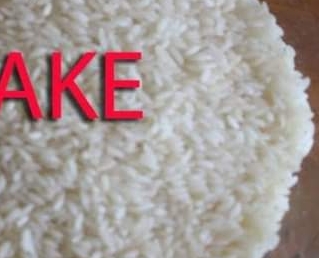
Test for water.
This is one of the simplest ways to determine if your rice is genuine or counterfeit. Fake rice floats, but genuine rice sinks.
Turn on the sound.
Take up the whole screen.
Directions:
Get a glass of water and put in a tablespoon of raw rice.
Mix the water well.
If the rice goes to the bottom, it is genuine.
If the rice stays on top of the water, it might have plastic in it.
Fire Drill
Plastic rice can be identified by testing if it melts when heated
Directions:
Light a small amount of rice using a match or a lighter.
If the rice begins to dissolve or has a smell similar to burning plastic, it is probably not real.
Authentic rice won’t dissolve or produce a plastic smell.
3. Test to see if something is boiling.
Genuine rice cooks differently than fake rice, which looks and feels noticeably different.
Directions:
Cook a little rice in boiling water.
Genuine rice will cook as usual, with a light texture and a real rice smell.
Fake rice will remain firm or create a thick coating on top, appearing shiny or sticky after cooking.
Test for mold.
Fake rice made of plastic does not go bad like real rice because it is not organic. The mold test is an easy way to distinguish between things.
Directions:
Prepare a small amount of rice and put it in a container.
Let it sit at room temperature for a couple of days.
Fresh rice can get moldy quickly, especially in a warm place.
Fake rice will not change and will not grow mold.
Test to check the temperature of oil.
When plastic rice is fried, it behaves differently from real rice.
Guidelines:
Put some oil in a pan and add a couple of rice grains to the hot oil.
When plastic rice is cooked in oil, it will either melt or stick together.
Genuine rice won’t dissolve; instead, it will cook in oil, turning crunchy and a nice golden color.
6. How food feels and smells after being cooked.
Authentic rice has a natural feel and smell that is difficult to imitate. Fake rice usually doesn’t smell or feel like real rice.
Directions:
After you finish cooking, make sure to check the consistency of the rice. Good quality rice should be tender yet firm, with a slightly grainy texture.
Take a whiff of the rice. Authentic rice will have a nice, mild smell of rice.
Fake rice might smell like chemicals and have a strange texture, being either sticky or too soft.
Final thoughts: Stay safe from fake rice.
Although plastic rice is rare, it is important to know how to identify it, especially if you are unsure where your rice comes from. By following these six easy steps, you can protect yourself and your family from eating synthetic rice that could be harmful. Always buy rice from well-known and reliable brands to lower the risk of buying fake rice.